
Drafts, Doors, and Dollars
To winterize your home, start with the biggest leaks, such as attic hatches, exterior doors, baseboards, and windows. Add adhesive weatherstripping to door jambs and sweeps to the bottom edge; use silicone caulk around window and door casings, plumbing penetrations, and where siding meets the foundation. Do a simple smoke-pencil test: on a windy day, turn on kitchen/bath fans, then move an incense stick or smoke pencil along trim and outlets; smoke that wavers or is sucked inward flags a leak. Air sealing paired with insulation typically reduces heating costs by 10–15 percent, which is why it’s the first, highest-ROI winter task.
Heat Without the Headache: HVAC Tune-Ups
A pre-winter service should inspect burners and heat exchangers, test safeties, verify combustion and draft, clean the flame sensor, check refrigerant levels for heat pumps, and calibrate the thermostat. Replace filters every 1–3 months; most homes do best with MERV 8–11 for airflow and capture balance, while allergy households often choose MERV 11–13 if the system can handle it. For setback savings, drop the thermostat 7–10° F while you sleep or are away for 8 hours; many households see annual heating costs 10 percent lower without sacrificing comfort.
Pipes on Ice? Not Today.
Slip foam sleeves over exposed lines in basements, crawlspaces, and garages. Cap outdoor faucets and shut interior valves to drain the exterior lines. During a deep cold snap, run a pencil-thin trickle from a tap to keep water moving. Smart leak sensors should be installed beneath sinks, near the water heater, and behind the washer. If a line bursts, an automatic shut-off valve at the main (or a smart valve at key branches) can stop flow fast and limit damage.
Roof, Gutters, and the Great Ice Dam Escape
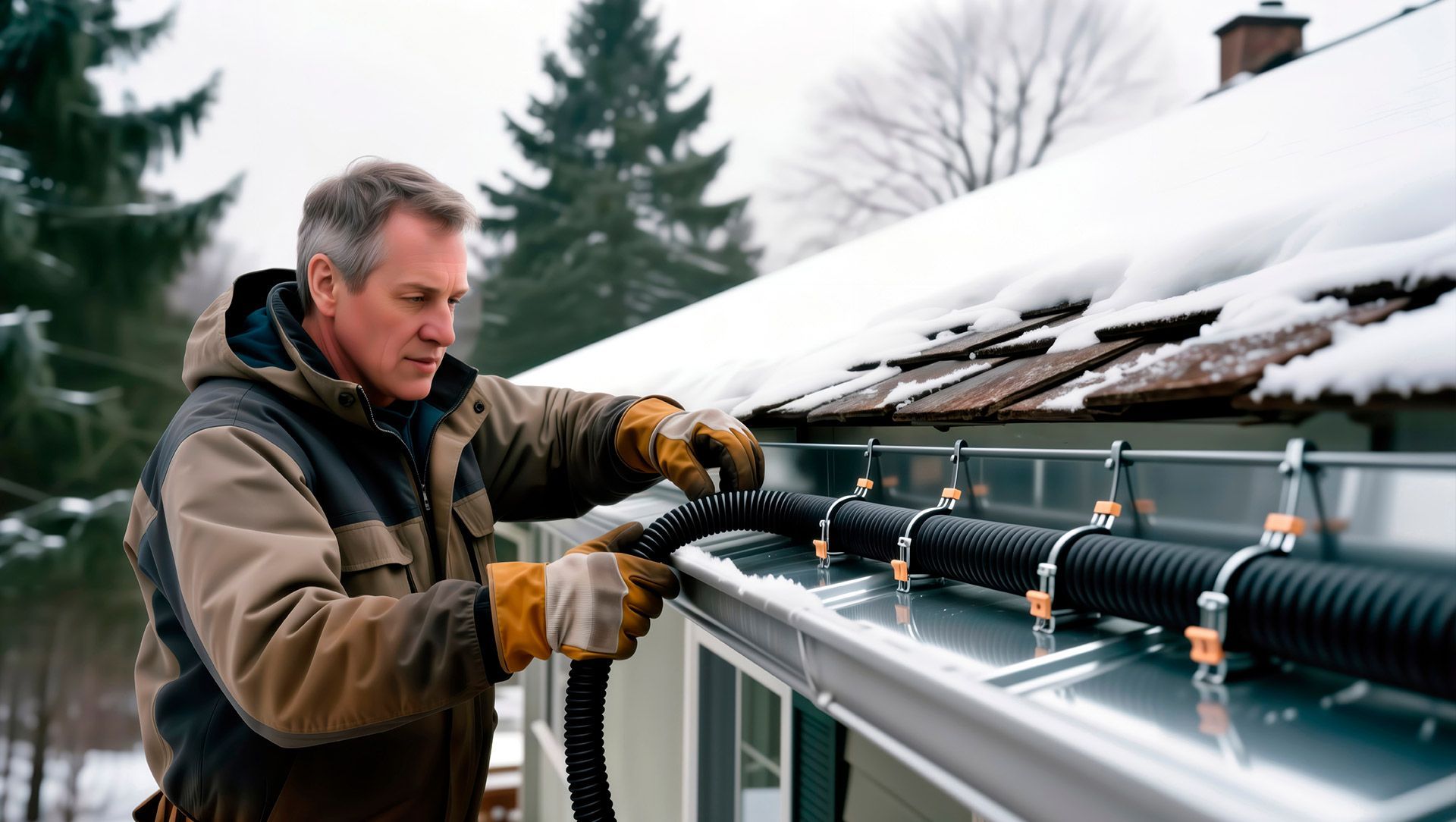
Clean gutters of leaves and grit, then test the flow by running a garden hose at the high end. Confirm each downspout discharges several feet from the foundation. Prevent ice dams by keeping the attic cold. Seal all attic air leaks around light fixtures and chases, ensure continuous soffit intake and ridge or gable exhaust, and avoid venting bath fans into the attic. Schedule a roof inspection annually or after hail; a pro will spot lifted shingles, failed flashing, and soft decking before snow finds them.
Safety First: Fire, Carbon Monoxide, and Generators
Place smoke alarms in every bedroom, outside sleeping areas, and on each level. Install carbon monoxide detectors on every level and near sleeping spaces. Test monthly and replace batteries on a set schedule, twice per year. Space heaters need a 3-foot buffer from anything that burns, must sit on a flat surface, and should plug directly into a wall outlet with tip-over and overheat protection. If using a portable generator, run it outdoors at least 20 feet from doors and windows, never in a garage, and power the house through a transfer switch.
Call Your Agent Before the Snow Flies
Winter-proofing lowers risk and may unlock discounts. Talk with your local Florida agent about coverage tweaks for cold-weather hazards and home upgrades, before the first freeze turns minor issues into major claims. Give us a call at (407) 207-1616.